Baking school
Whipped egg whites
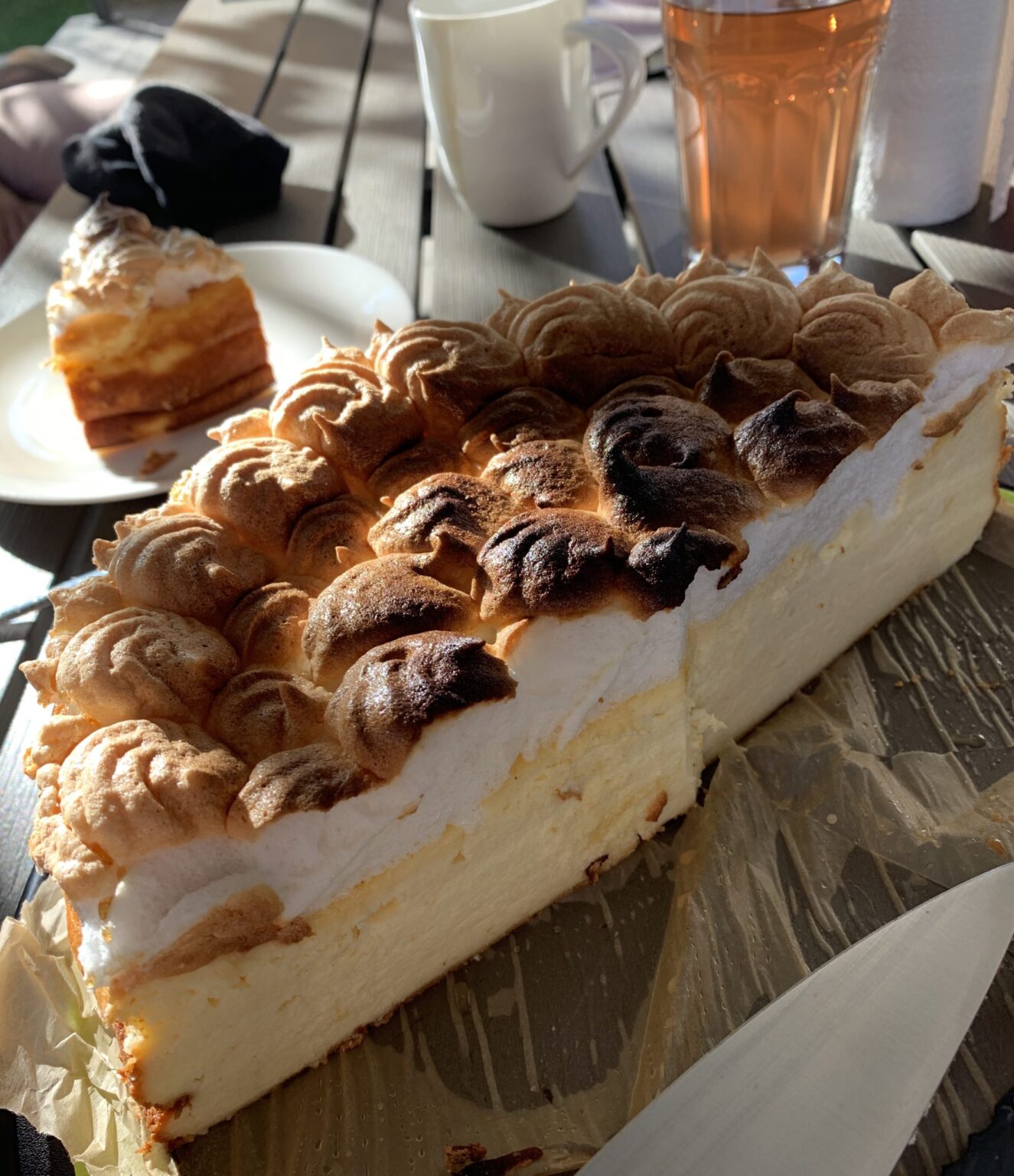
Stiff egg whites lighten sponge, meringue and soufflé. A clean bowl and the right timing for the sugar make all the difference.
Egg white can hold many times its own volume in air – but only if there is no fat involved. Even a trace of yolk prevents firm peaks.
How it works
Separate cleanly: Separate the eggs while cold – the yolks stay whole more easily. Catch each white in a small cup first.
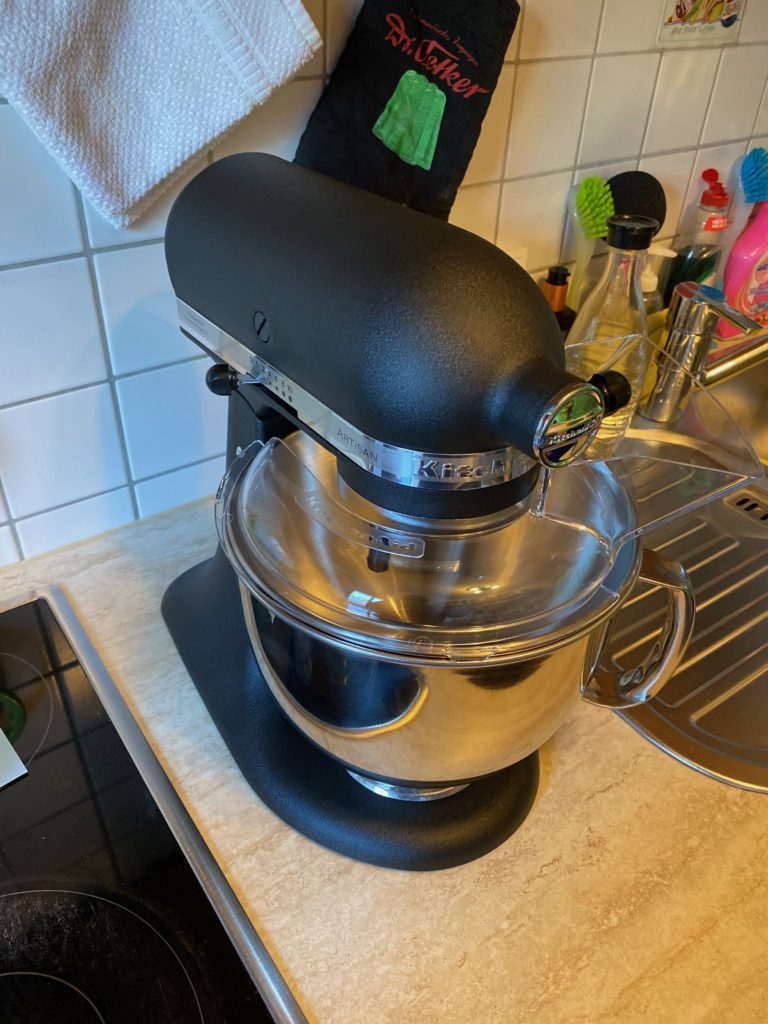
Grease-free bowl: Bowl and whisk must be completely clean and dry – metal or glass is better than plastic.
Start whisking: Whisk the whites with a pinch of salt or a few drops of lemon juice on medium speed until foamy.
Add the sugar gradually: Only once the whites are white and softly foamy, sprinkle in the sugar slowly and keep whisking on high speed.
Stiff peaks: The whites are glossy, form firm peaks and a cut with a knife stays visible.
Fold in: First stir a third vigorously into the heavier mixture, then gently fold in the rest.
Common mistakes
Won't stiffen: Traces of yolk or fat in the bowl – better to start again.
Grainy and dry: Whisked too long. Whites without sugar overbeat especially quickly.
Collapses: Left standing too long – always use whipped whites straight away.
Tips
Room-temperature whites whip up faster than cold ones.
Leftover egg whites can be frozen – thawed, they whip just as well.