Baking school
Creamed cake batter
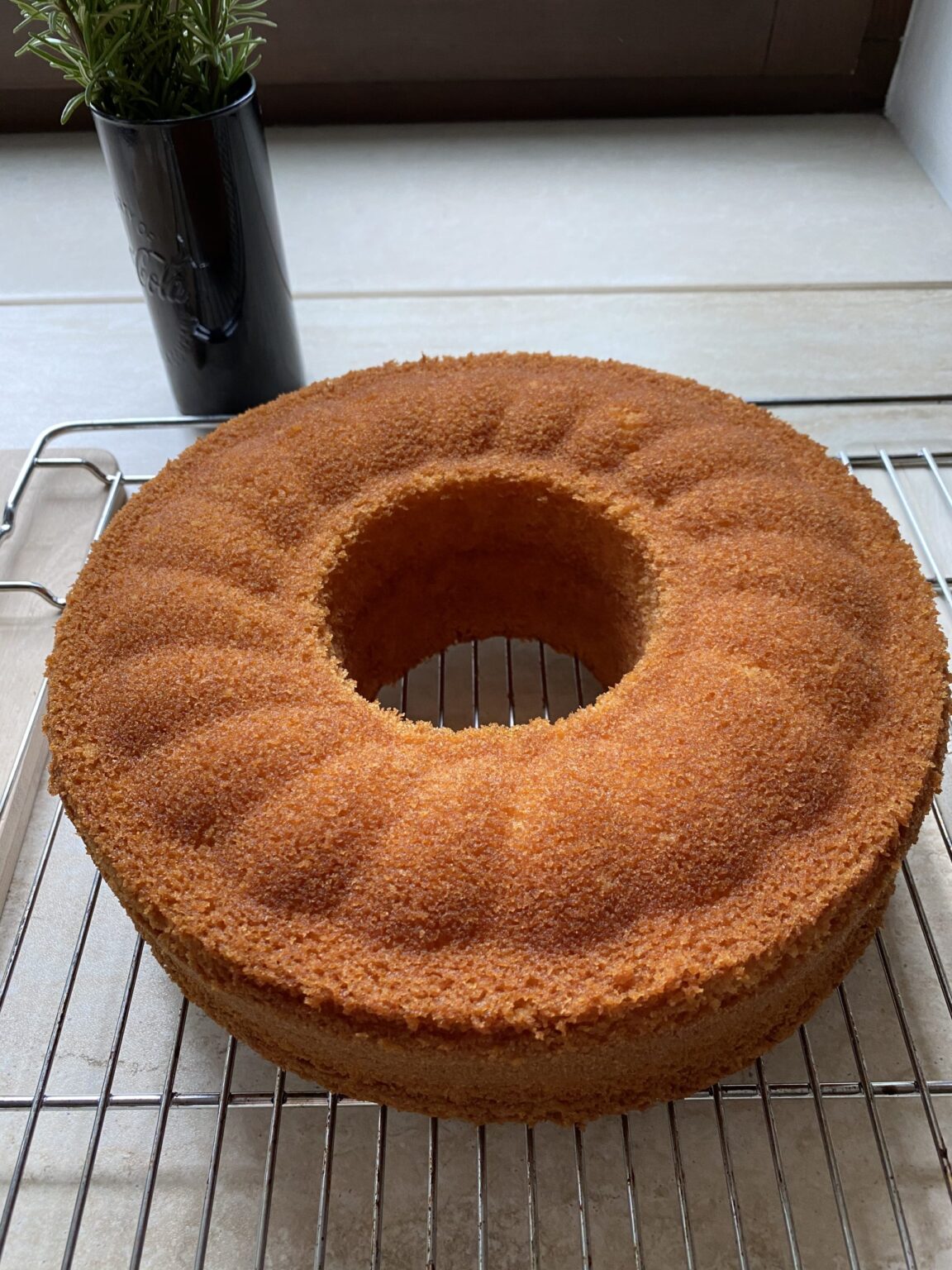
The all-rounder for marble cake, Gugelhupf and muffins. With room-temperature ingredients and brief mixing at the end it turns out moist and fine.
In a creamed batter, beating butter and sugar until fluffy brings in the air and baking powder does the rest. It matters that all ingredients are roughly the same temperature.
How it works
Room temperature: Take butter, eggs and milk out of the fridge in good time. The butter should give easily when pressed.
Cream: Beat the butter with sugar (and vanilla, salt) for 3–5 minutes until pale and creamy.
Eggs one at a time: Beat in each egg for about half a minute before adding the next.
Briefly at the end: Mix flour with baking powder and stir it in alternately with the milk only until no flour is visible.
Consistency: The batter drops heavily from the spoon. If it is too stiff, add a splash of milk.
Bake: At 160–175 °C (320–350 °F) depending on the tin. Skewer test: no wet batter sticks to a wooden skewer.
Common mistakes
Batter curdles: The eggs were too cold. A tablespoon of the flour brings it back together.
Cake is tough or has tunnels: Mixed too long after adding the flour.
Damp, dense streak: Not baked long enough or the oven door opened too early.
Tips
If the top browns before the inside is done, cover loosely with foil or baking paper.
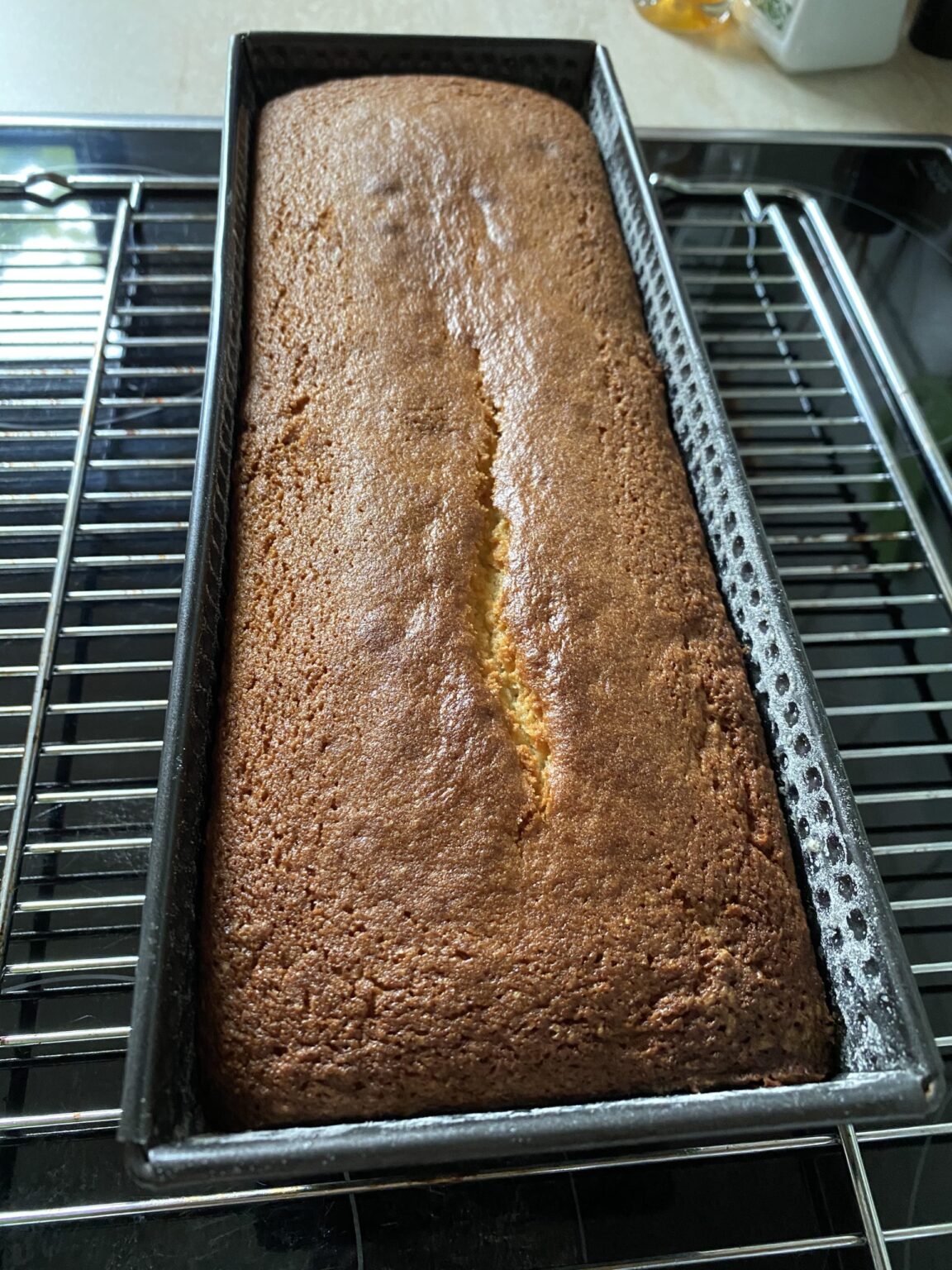
A loaf cake cracks evenly if you cut a slit lengthways with a greased knife after 10 minutes of baking.